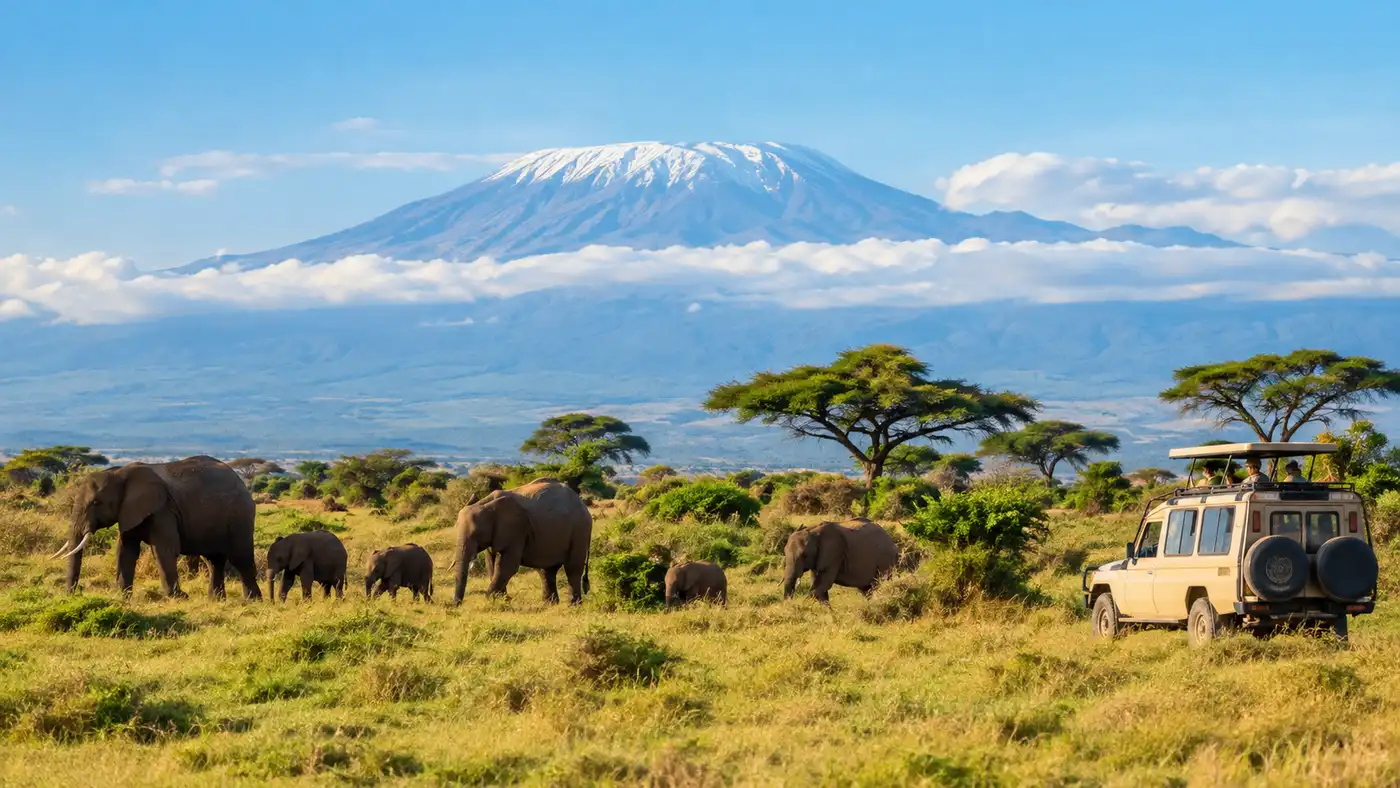
Tanzania Safari Combinations: Serengeti, Ngorongoro, and Beyond
Most travelers start their planning with a single picture in mind: endless savannah grass beneath an enormous sky. You soon realize that booking serengeti and ngorongoro safari tours means making a dozen decisions about how to stitch different landscapes together into one trip. The crater and the endless plains sit right next to each other, but they feel like different planets. One is a closed volcanic bowl where animals graze in a dense, green amphitheater. The other is open space that rolls out until the horizon curves away.
Putting these parks together creates the classic northern Tanzania safari. You can easily expand that loop to include alkaline soda lakes, hidden elephant corridors, or even the wild southern parks if you have extra weeks. I spent nearly three weeks bumping across washboard roads between Arusha and Lake Victoria to see how these puzzle pieces fit together.
Book your serengeti safari tours experience:
Classic Route: Crafting the Serengeti and Ngorongoro Safari Tours
The standard circuit works because the geography makes sense. You leave the bustling safari hub of Arusha, climb the sheer wall of the Great Rift Valley, crest the crater rim, and drop onto the short-grass plains. It feels like descending onto the floor of the world.
Most operators run this classic link as a four to seven-day trip. If you rush it, you spend six hours a day staring out through a dusty window at gravel road. Give it at least five full days. You need two nights in the central Seronera valley to track leopards lounging on horizontal acacia branches, plus two nights up near the Mara River if the migration herds are crossing between July and October. Then you dedicate one night on the rim of the caldera before a dawn descent.
Pro tip: Book a camp on the south-facing rim of Ngorongoro so you reach the entry gate at 6:00 AM sharp, beating the heavy midday Land Cruiser convoys down onto the crater floor by forty minutes.
The road between the two regions cuts right through the conservation area bordering Serengeti National Park. You do not just view wildlife inside the official parks. You will see Maasai boys herding speckled goats right alongside wild zebras along the main transit track. Dust coats everything. Keep your camera inside a canvas bag until you stop, because the fine white volcanic silt finds its way into every camera zoom ring.
Beyond the Core: Adding Tarangire, Manyara, and Lake Eyasi
A safari Tanzania Serengeti Ngorongoro package rarely stops at just two parks. The surrounding reserves add textures you will never find on the flat plains.
Tarangire National Park sits two hours southwest of Arusha. It hosts massive baobab trees that look like they were planted upside down by an eccentric giant. In the dry months from July through October, the Tarangire River shrinks to muddy pools, pulling in thousands of elephants. You might see herds of forty elephants digging in sandy riverbeds with their trunks to find clean water. Lake Manyara is smaller and wedged against a steep escarpment. It smells faintly of sulphur and wet mud, filled with pink flamingos and baboon troops that screech from the fig trees.
If you want cultural encounters without rehearsed dancing, ask your guide to detour toward Lake Eyasi. The Hadzabe bushmen live there in dry scrub forests. They are among the last true hunter-gatherers on the continent. Watching an elder start a fire with two sticks in under twenty seconds puts modern life into perspective real quick.
- Tarangire National Park: Famous for towering baobabs and the highest dry-season elephant density in northern Tanzania.
- Lake Manyara: Great for birdwatchers, dense groundwater forests, and views over the alkaline lake shoreline.
- Lake Eyasi: Remote, rocky basin where you can arrange respectful morning walks with indigenous Hadzabe hunters.
- Empakaai Crater: A steep-sided, sunken caldera within the highlands where you hike down with an armed ranger instead of sitting in a truck.
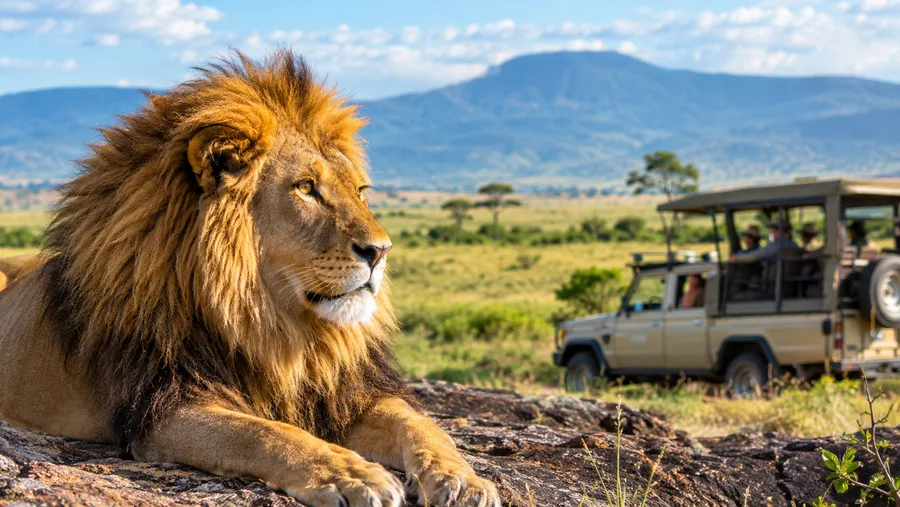
Comparing Tanzania Safari Destinations Across the Northern Circuit
Choosing which parks to link depends on how much driving you tolerate and what species make your heart beat faster. Every national park in Tanzania charges separate daily fees, which tally up rapidly when crossing borders between administrative zones.
| Park or Reserve | Ideal Stay | Primary Wildlife Sights | Drive Time from Arusha |
|---|---|---|---|
| Serengeti National Park | 3 to 5 nights | Lions, cheetahs, Great Migration herds | 7 to 8 hours (or 50-min flight) |
| Ngorongoro Crater | 1 night (6-hr crater tour) | Black rhino, dense hyena packs, bull elephants | 3.5 hours |
| Tarangire National Park | 2 nights | Huge elephant herds, baobabs, wild dogs | 2 hours |
| Lake Manyara | 1 night (or day trip) | Flamingos, tree-climbing lions, baboons | 2.5 hours |
| Grumeti Game Reserve | 2 to 3 nights | Colobus monkeys, private night drives, river crossings | 9 hours (or direct bush flight) |
For those craving wilderness without crowds, private concessions on the western border offer something parks cannot match. Grumeti Game Reserve Tanzania allows walking safaris and off-road driving that are strictly forbidden inside the national park boundaries. It costs substantially more, but running into zero other vehicles for three days straight is a rare luxury. For more detailed route suggestions and travel pacing, take a look at our Serengeti safari itineraries guide before setting your dates in stone.
Book your serengeti safari tours experience:
Choosing the Best Safari Tour Operators in Tanzania
The company you pick determines whether you have an exhausting haul or a masterclass in African ecology. The best safari operators Tanzania has working on the ground employ guides who have spent fifteen years reading animal behavior. A great driver predicts where a hunting lioness will stalk before she even drops her ears.
Decide whether you want to book through an overseas travel agency or direct with local Tanzania safari operators. Working with homegrown outfitters based in Arusha keeps money inside the local economy. It often shaves 20% off the total bill because you cut out middleman commissions. Check if the outfitter belongs to TATO, the Tanzania Association of Tour Operators. It guarantees basic safety measures, vehicle maintenance standards, and fair porter wages.
Note: Budget operators advertising dirt-cheap camping trips often cut corners on vehicle maintenance and tire quality. Breaking down on remote corrugated tracks can cost you four hours of prime morning game viewing.
Inspect the vehicle specs before wiring your deposit. You want an extended four-wheel-drive Land Cruiser with a pop-up canvas roof, personal charging sockets for camera batteries, and an onboard fridge with cold drinking water. If an agency suggests visiting six parks in four days, find another outfitter. That is not game viewing. That is an endurance rally across the East African Rift.
Lodging style reshapes your budget dramatically. You can sleep in public campsites for $35 a night with basic drop toilets, or spend $1,200 nightly at high-end canvas camps where hot water arrives in copper buckets. If you are debating between tented canvas and permanent brick chalets, read our breakdown of where to stay in the Serengeti to find your sweet spot.
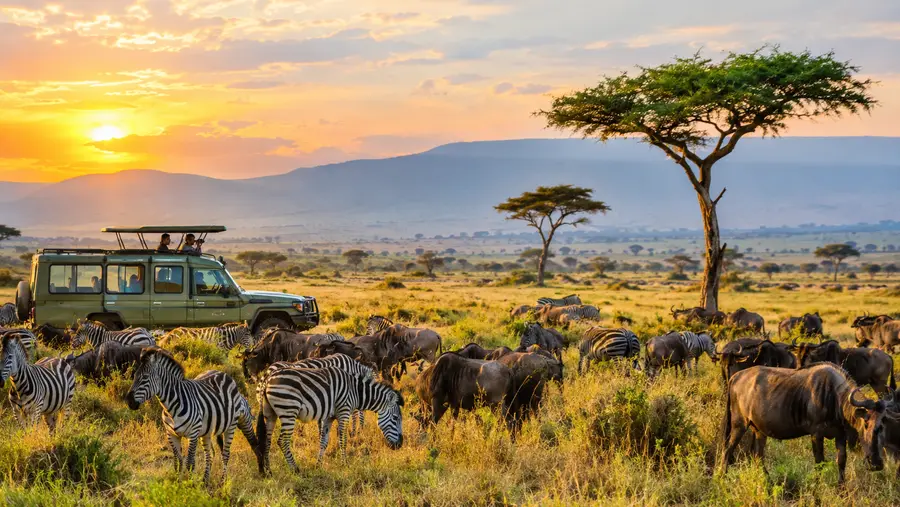
Venturing Farther: South Tanzania Safari vs. Cross-Border Kenya Trips
What if you want to extend your holiday beyond the northern loop? You generally face two choices: fly south into wild parks like Nyerere and Ruaha, or cross north into Kenya for Masai Mara and Serengeti safari tours.
A south Tanzania safari feels completely isolated. Ruaha National Park holds 10% of the world's remaining lions, yet it receives fewer visitors in a month than Seronera gets on a busy Tuesday morning. The terrain shifts from open grassland into rugged baobab hills cut by the Great Ruaha River. The costs run higher because you must rely on small bush planes to hop between remote airstrips.
Crossing into Kenya sounds neat on paper, but logistics can give you a headache. The direct border post at Bologonja between the Serengeti and the Masai Mara has been closed for decades to commercial safari vehicles. To connect both ecosystems overland, you have to drive around through the Isebania border post. It takes almost a full day of bureaucratic customs queues, vehicle swaps, and yellow fever checks. Fly across via Kilimanjaro or Nairobi instead if your heart is set on pairing both countries.
- Vehicle switch logistics: Kenyan safari vans cannot guide inside Tanzanian parks without paying steep commercial cross-border fees.
- Flight connections: Scheduled bush planes fly between the western Serengeti and Kenya's border airstrips with quick clearance stops.
- Southern alternatives: Consider booking Nyerere National Park if you want boat safaris among pods of grunting hippos.
- Pacing rule: Never combine north and south circuits on trips under ten days or you will spend half your holiday inside airport waiting shacks.
Frequently Asked Questions about serengeti and ngorongoro safari tours
How many days do you need for Serengeti and Ngorongoro?
You need a minimum of four full days, but five to six days is ideal. This gives you two or three nights in the Serengeti and one full day exploring the crater floor without exhausting long road transfers.
Can you visit both parks in a single weekend from Arusha?
It is technically possible using bush flights, but overland it turns into an exhausting marathon. You will spend around sixteen hours driving across rough tracks just to get three or four hours of actual wildlife viewing.
What is the best month to do this combination safari?
June to October offers exceptional dry-season wildlife viewing because animals cluster tightly near permanent water sources. January through March is equally fantastic for watching the wildebeest calving season in the southern Ndutu plains.
Quick Reference
- Drive from Arusha to Crater rim: 3.5 hours
- Ngorongoro Crater descent permit limit: 6 hours maximum
- Serengeti park size: 14,763 square kilometers
- Transit fee validity: 24 hours per park gate entry
Book your serengeti safari tours experience:
The Bottom Line
Combining these iconic landscapes delivers the quintessential East African journey. The contrast between standing on the cold, misty rim of Ngorongoro at dawn and racing across the hot, dust-blown savannah of the central Serengeti by afternoon never gets old. Just resist the temptation to squeeze too many parks onto your itinerary. Pick three solid reserves, pay for a reputable local guide who loves birds as much as big cats, and let the wilderness unfold at its own unhurried pace.
Read more about serengeti safari tours.