Serengeti Wildlife Guide: Animals and Big Cats
A dust devil spins across the bleached grass, kicking up dry acacia thorns. You smell hot dust, trampled wild thyme, and cow-dung musk long before you see shapes shift on the horizon. Experiencing serengeti animals in their actual home changes how you look at open space. It is loud, messy, and deeply unscripted. A lion cub gnaws on a zebra leg bone while two hooded vultures hiss at each other from an anthill three yards away, completely indifferent to your diesel engine idling nearby.
Most safari goers arrive clutching a mental checklist of the Big Five. The reality of life on the serengeti refuses to follow neat safari itineraries. You might sit parked by an empty gully for forty minutes watching nothing but wind ripple the red oat grass, only to have nineteen elephants shamble out of the brush, close enough that you hear their stomach rumbles. This guide covers the wild animals of the serengeti across its major ecosystems, from solitary leopards draped across sausage tree branches to the predators hunting through the riverine thickets.
Book your serengeti safari tours experience:
The Big Cats: Serengeti Lions, Leopards, and Cheetahs
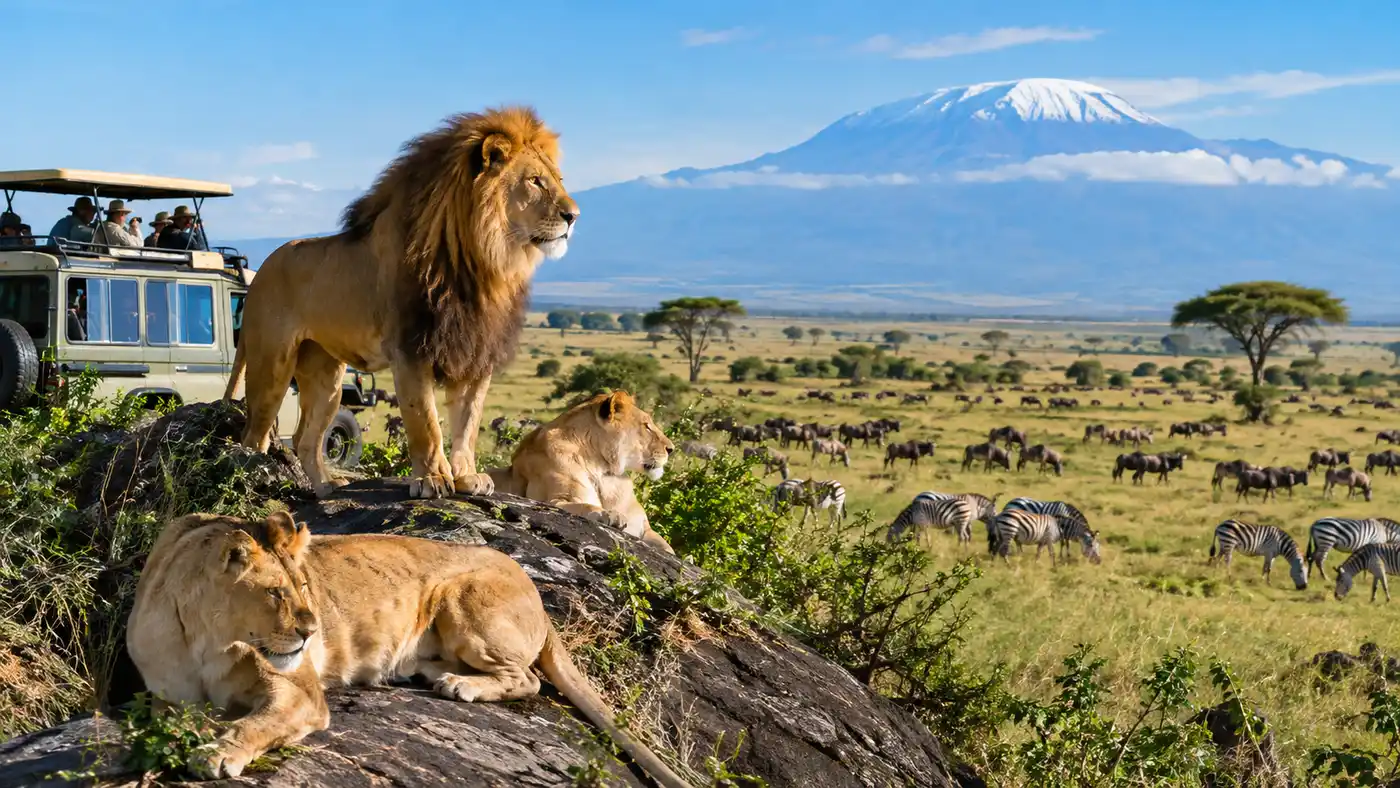
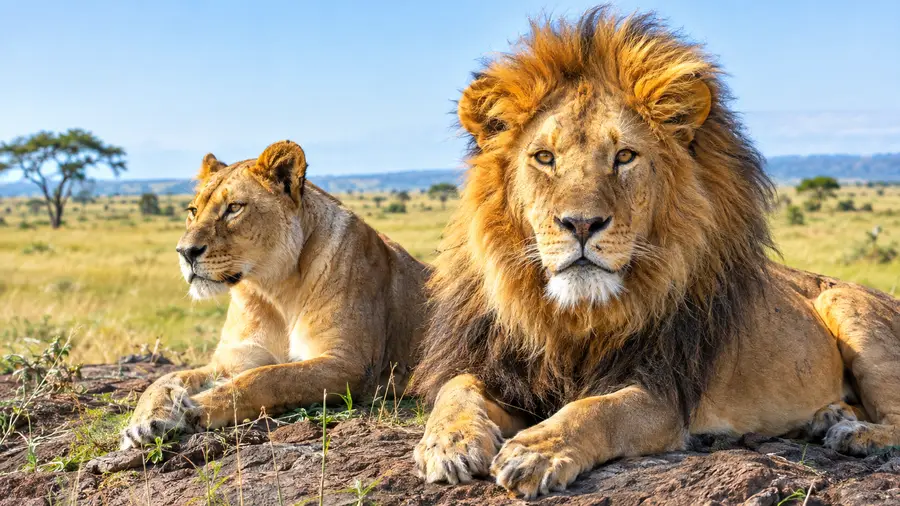
Serengeti lions are the undisputed rulers here, numbering around 3,200 individuals split into roughly 300 prides across the ecosystem. You spot them slumped on smooth granite boulders, known locally as kopjes, which act like natural watchtowers. Early morning game drives offer your best chance to see them moving. By midday, pride life slows down into heavy sleep, paws pointed straight at the sky. A lion serengeti sighting often involves whole family units, three or four adult females nursing cubs while a scarred male snoozes twenty feet away in the shade of a yellow-barked fever tree.
Leopards demand far more patience. Unlike lions, they hate company. They spend hot afternoons wedged into the horizontal limbs of sausage trees or river acacias, usually along the Seronera River loops. You often spot their kills before you spot the cat. A fresh impala carcass hanging seven yards up a tree fork is a dead giveaway. Their rosettes blend into dappled foliage so completely that you can look straight at a limb three times before your brain registers the sleeping predator.
Pro tip: Scan horizontal branches rather than leafy canopies along the Seronera valley around 10:00 AM, looking specifically for dangling tails or legs hanging below the boughs.
Cheetahs hunt by day, using speed across open country. You find them out on the short-grass plains around Gol Kopjes and the southern grasslands. They love climbing onto abandoned termite mounds. Standing three feet off the flat ground lets them spot gazelle fawns half a mile off. Watching a cheetah sprint is shocking. It is a blur of kicks, flattened ears, and sudden lateral cuts that leaves your binoculars shaking.
Great Herds and Grazing Serengeti Animals
The sheer volume of animals in the serengeti plains of africa defies logic until you stand among them. Over 1.3 million blue wildebeest and roughly 250,000 plains zebras churn the ground in an endless loop dictated by rainfall. For a detailed breakdown of herd movements throughout the year, our Serengeti Great Migration safari guide maps out the river crossings and calving months across every sector.
Zebras and wildebeest are not just traveling companions. They graze as a team. Zebras have tough front teeth that shear off the coarse upper tips of tall grass, which exposes the sweet, tender shoots underneath for the selective wildebeest. Following them are Thomson's and Grant's gazelles, delicate creatures with twitching tails that nip the tiny herbs growing near the soil surface. This multi-layered mowing crew turns waist-high grassland into clipped lawn within forty-eight hours.
Note: Vehicles must stay on established tracks across most zones, and stepping out of the vehicle is strictly forbidden outside designated picnic sites due to pride movements in tall grass.
Then come the topi and eland. Topi stand perched on mounds with glossy purple-brown coats, looking like sentinels surveying their territory. Eland, the largest antelope on the continent, weigh upwards of 1,800 pounds. Despite their massive bulk and spiral horns, they are skittish. Tap a car door with an elbow and an entire bachelor herd will clear a six-foot ditch in a single leap, vanishing into the whistling-thorn scrub.
Elephants in the Serengeti and Giant Herbivores
Elephants serengeti populations have rebounded steadily over the past two decades. Around 7,000 elephants roam the park today, particularly in the northern woodlands and the central Seronera corridor. Watching a family herd strip bark from an acacia tree reveals their immense strength. Branches thick as a human thigh snap with a loud crack, echoing across the silent woodland. Breeding herds move in tight coordination, tucking tiny calves beneath the bellies of adult females whenever a strange vehicle approaches.
At the rivers and seasonal waterholes, the wildlife in serengeti national park turns into a raucous theater. The Retima Hippo Pool, located where the Wandamu River meets the Orangi, holds up to 200 hippos packed like smooth, wet boulders. The smell hits you thirty yards before you reach the riverbank: sulfur, churned mud, and fermented grass. Hippos lie belly-to-belly, snorting water droplets, grunting, and fighting for deeper wallowing space while yellow-billed oxpeckers peck at their pink ear skin.
- Hippo disputes: Territorial bulls open their jaws to an astonishing 150-degree angle, showing off foot-long canine tusks to back down rivals.
- Buffalo herds: Cape buffalo gather in herds exceeding 400 animals, recognizable by their curved horn bosses that look like powdered wigs.
- Giraffe browsing: Masai giraffes feed among thorny canopy trees, using eighteen-inch prehensile tongues to strip leaves without getting impaled by two-inch spines.
- Black rhino refuges: A critically endangered subpopulation survives around the Moru Kopjes, protected around the clock by armed anti-poaching rangers.
Cape buffalo deserve extra respect. Solitary older bulls, known locally as dagga boys, spend their days wallowing in mud along swamp margins. Bad-tempered, alert, and thick-necked, they stare directly at safari cruisers with cold hostility. Even serengeti lions think twice before tackling an adult bull, usually requiring three or four experienced females working together from behind to pull one down.
Book your serengeti safari tours experience:
Wild Animals of the Serengeti: Scavengers and Underdogs
Spotted hyenas get an unfair reputation from animated movies. They are exceptional hunters, taking down about half of their own food rather than simply scavenging lion kills. Hyena clans follow complex matriarchal lines, led by dominant females who are larger and more aggressive than any male. At night, their eerie whoop calls carry across miles of flat scrub, sounding half like human laughter and half like a siren.
Black-backed jackals and golden wolves patrol the fringes of every cat sighting. Small, quick, and opportunistic, they dart between snapping hyenas to steal scraps of skin and bone. Then you have the vultures. Six distinct species live here, including the huge lappet-faced vulture, whose heavy hooked beak can tear through thick buffalo hide that smaller birds cannot pierce. Watching forty vultures drop from empty sky onto a fresh carcass looks like an umbrella factory tumbling through the clouds.
African wild dogs, also called painted wolves, are slowly recovering in the eastern buffer zones and Loliondo. They are rare. If you manage to see a pack hunting in early light, consider yourself blessed. They coordinate through twittering bird-like chirps, running their prey to exhaustion at thirty-five miles per hour across open dirt.
Where and When to Spot Animals in Serengeti National Park
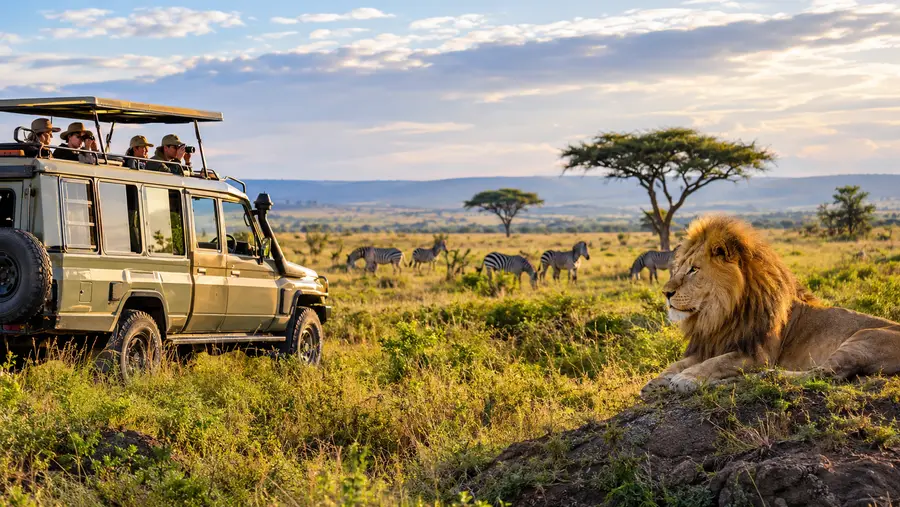
The distribution of animals of serengeti national park shifts with the rains. The ecosystem is not uniform. It spans rolling woodland, broken hills, flat volcanic plains, and tangled swamps. If you are trying to understand the terrain layout before booking, check out our guide on where is the Serengeti to see the geographic split between northern Tanzania and the Kenyan border.
Central Seronera holds resident animals year-round because water pools in the riverbed even during dry months. The southern plains around Lake Ndutu wake up between January and March, when hundreds of thousands of wildebeest drop their calves on short, mineral-rich grass. The Western Corridor comes alive in May and June as herds squeeze into the Grumeti River valley, dodging thirty-foot Nile crocodiles waiting in muddy pools.
| Region | Peak Wildlife Activity | Key Animal Sightings | Landscape Character |
|---|---|---|---|
| Central (Seronera) | Year-round | Leopards, lion prides, hippos, resident impala | Acacia woodlands, river loops, granite kopjes |
| Southern Plains (Ndutu) | December to March | Wildebeest calving, cheetahs, bat-eared foxes | Short-grass open plains, soda lakes, flat horizons |
| Western Corridor | May to July | Giant Nile crocodiles, colobus monkeys, topis | Riverine forests, black cotton clay plains |
| Northern (Kogatende) | July to October | Mara river crossings, elephants, klipspringers | Rolling hills, rocky escarpments, deep river gorges |
Taking great serengeti pictures requires understanding animal habits rather than relying on expensive camera bodies. Animals retreat to shade between 11:30 AM and 3:30 PM. The best light and most dramatic actions happen within forty minutes of sunrise, when dust hanging in the air catches low, golden rays.
- Focal length needs: Pack a lens that reaches at least 400mm on a full-frame sensor, because cheetahs and servals often keep a seventy-yard cushion from roads.
- Dust precautions: Keep gear wrapped in a pillowcase or canvas bag inside the vehicle; fine volcanic grit works its way into lens zoom rings within days.
- Beanbag support: Window sills and roof hatch bars are great stabilizers, so ask your guide for a beanbag rather than wrestling with a tripod inside the truck.
Every corner yields unexpected moments. You might stop for a leopard and spend twenty minutes enchanted by a family of dwarf mongooses popping out of an abandoned termite mound like brown jack-in-the-boxes. That unpredictability defines serengeti wild life.
Frequently Asked Questions about serengeti animals
What are the most common animals seen on a Serengeti safari?
Blue wildebeest, plains zebras, Thomson's gazelles, and impalas are visible by the thousands. You will also encounter spotted hyenas, olive baboons, warthogs, and lions on almost every game drive in central zones.
Can you see the Big Five in Serengeti National Park?
Yes, though black rhinos are exceptionally difficult to spot. Lions, leopards, elephants, and Cape buffalo are seen regularly, but rhinos hide in restricted conservation pockets around Moru Kopjes and the northern Mara sector.
When is the best time of year to see big cats in the Serengeti?
Predators are visible all year because they are territorial and do not migrate with the herds. The dry season from late June to October offers thinner vegetation, making cats easier to spot as they gather near remaining water sources.
Are animals dangerous to visitors in safari vehicles?
Animals view safari vehicles as single, large, non-threatening objects rather than containers full of people. As long as you stay seated inside the vehicle frame, keep your limbs inside, and avoid shouting, animals remain calm and indifferent.
Quick Reference
- 3,000+ wild lions live across the ecosystem
- 1.3 million wildebeest migrate in an annual loop
- 500+ bird species recorded inside park borders
- Best big cat viewing: June to October
Book your serengeti safari tours experience:
The Bottom Line
The Serengeti is one of the last places on earth where animal populations operate on their own ancient schedule. Skip the rushed single-day excursions and spend at least three full days out on the tracks. Turn off your phone, listen to the cicadas, and watch how the landscape breathes when the sun drops below the ridge.
Read more about serengeti safari tours.